


Cultural historian Dr Tiffany Jenkins’s highly acclaimed book, Strangers and Intimates: the rise and fall of private life provides the focus for this episode. It is a thoughtful, well-researched, nuanced, very readable account of how the right to privacy for the individual and family emerged over the past 500 years or so, as a central social value and something to aspire to and defend, and how that right is gradually being eroded by cultural changes.
Although the book is not about art, making only occasional references to artworks, as I read it I could see that art, in its historic course, might reflect the changes in ideas about privacy that Tiffany explores.
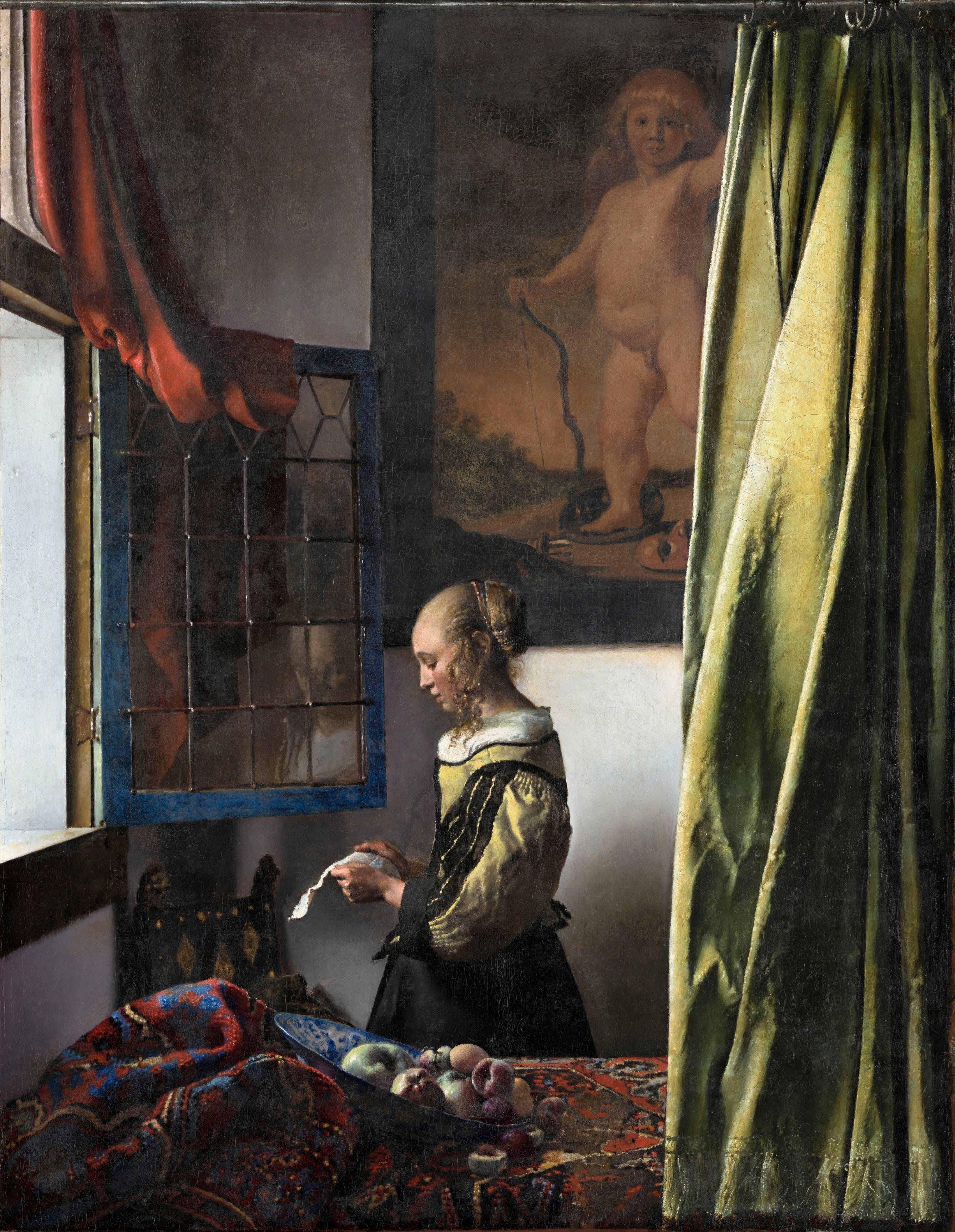
Johannes Vermeer, ‘Girl Reading a Letter’
For example, I recently watched the recent film Hamnet (Dir. Chloé Zhao, 2025), which suggested that Shakespeare’s Hamlet was inspired by his son’s early death. Towards the end of the film, it struck me that Shakespeare, by giving public expression to a deeply private sense of loss and grief, provided an early theatrical example of what Tiffany’s book examines.
So I asked Tiffany if she’d be interested in identifying works of art that illustrate her thesis… and thus an idea was born. And I was very excited by the list of works Tiffany wanted to talk about because I knew they would provide a fascinating way of exploring the motifs within her excellent book.
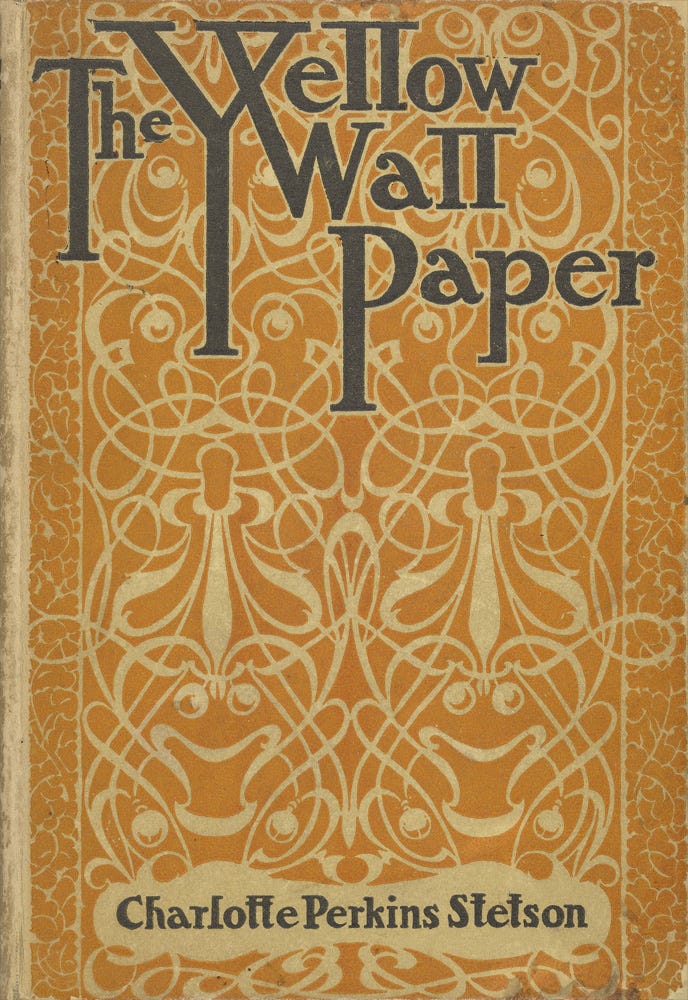
Charlotte Perkins Gilman, The Yellow Wallpaper
The BBC Radio 4 programme, Desert Island Discs, inspired the structure of the episode although it is shaped by the narrative in Strangers and Intimates, instead of Tiffany’s biography. Her chosen works are:
Johannes Vermeer, ‘Girl Reading a Letter’, exemplifying interiority and the inner life, which became increasingly important emerging from the Reformation in the seventeenth century onwards.
Samuel Richardson’s novel Pamela (1740) and Dr Samuel Johnson’s Diaries in the mid-eighteenth century, reflecting the emergence of the public and private as separate spheres of life.
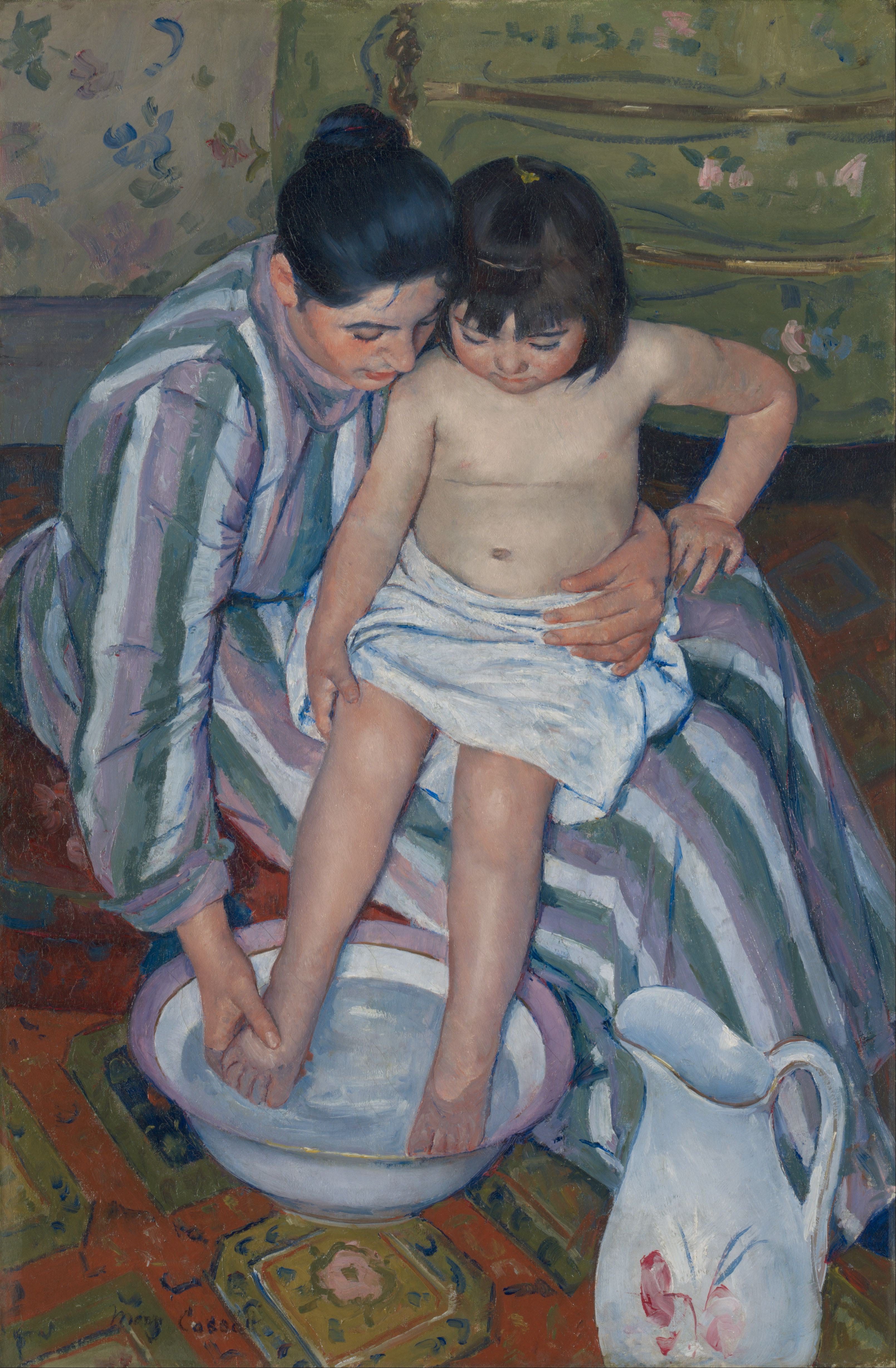
Mary Cassatt, ‘The Child’s Bath’
In the nineteenth century, Mary Cassatt, ‘The Child’s Bath’ (1893) reflected the growing importance of privacy as a sphere of warmth and intimacy while Charlotte Perkins Gilman, The Yellow Wallpaper (1892), revealed the tensions and dangers that such a high valuation of privacy might pose to women.
Egon Schiele’s self-portraits in the early twentieth century revealed a growing preoccupation with psychology and a desire to reveal or externalise the ‘authentic self’, the psychological man – expression of angst.
Later in the century, Nan Goldin’s, ‘The Ballad of Sexual Dependency’ (1973 & 1986), in its performative self-examination through candid photographic documentary, reveals important shifts in how private life is displayed and consumed.
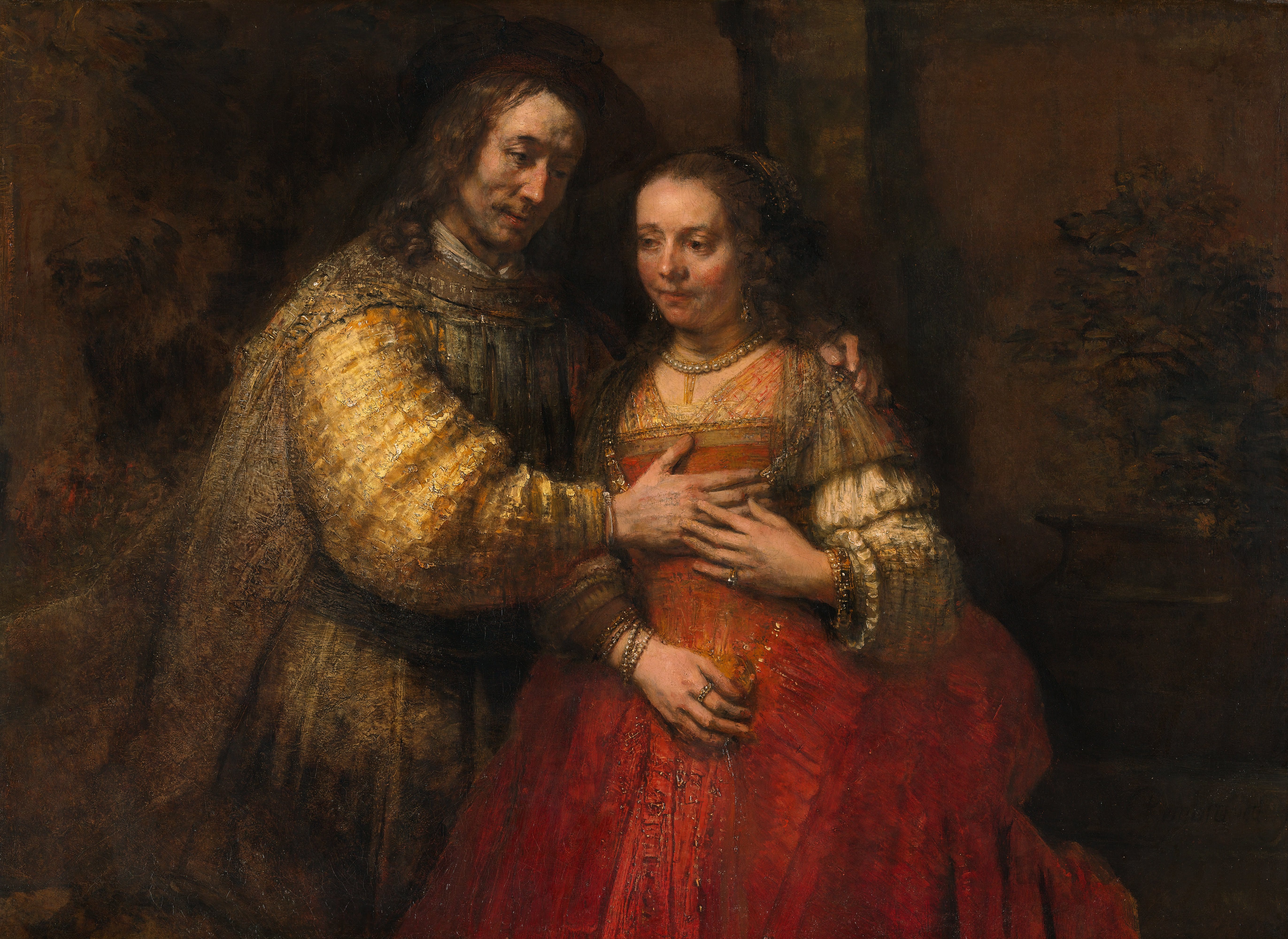
Rembrandt, ‘Isaac and Rebecca’ (or ‘The Jewish Bride’, 1665-69)
Sophie Calle (b.1953) created works that highlighted the undermining and loss of privacy as the twentieth century proceeded, with the blurring of voyeurism with artistic practice. See Frieze magazine here.
Vincenzo Latronico’s novella, Perfection (2022) seems to reflect a sense that privacy can no longer exist nor is it desirable.
The episode ends by contrasting the depiction of intimacy in Rembrandt’s ‘Isaac and Rebecca’ (or ‘The Jewish Bride’, 1665-69) with Sally Rooney’s Normal People (2018).

